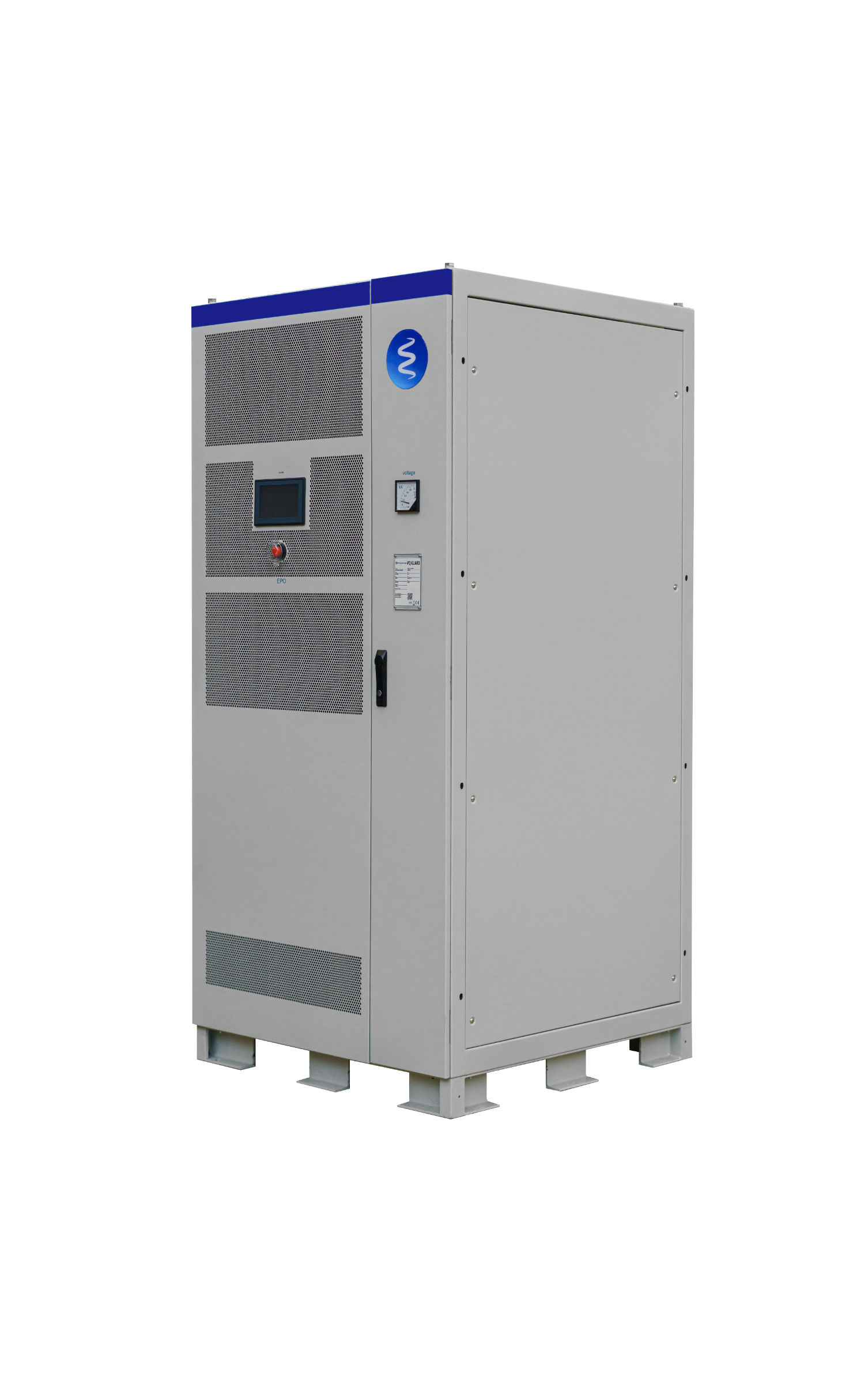
PQ-GUARD
The next-generation solution to your company's voltage problems
By installing the PQ-GUARD device with supercapacitor technology, your business can eliminate 100% of micro-interruptions, voltage dips and swells. It ensures uninterrupted power supply by eliminating interruptions of up to 1 second at full power and for longer periods in the event of lower power consumption.
FAQ
Yes, even interruptions lasting longer than 10 ms can cause sensors and PLC to reset, bringing motors and the systems connected to them to a standstill.
The PQ-GUARD can eliminate voltage interruptions of up to one second at full power and for longer durations in the case of lower power consumption
Even when operating in Eco-Mode, i.e. in high-efficiency bypass mode, the response time is virtually instantaneous, around 2 ms; the system does not notice the power interruption.
These are two fundamentally different technologies: compared to a traditional UPS, the PQ-GUARD has drastically lower self-consumption (< 1% of rated power compared to the average 5% of a UPS), an infinitely longer service life (1 million cycles compared to an average of 5,000 for a UPS) and negligible maintenance costs compared to the high costs of lead-acid or lithium UPS systems, thanks to the absence of chemical reactions in the storage technology.
Why PQ-GUARD
-

EDLC supercapacitor technology
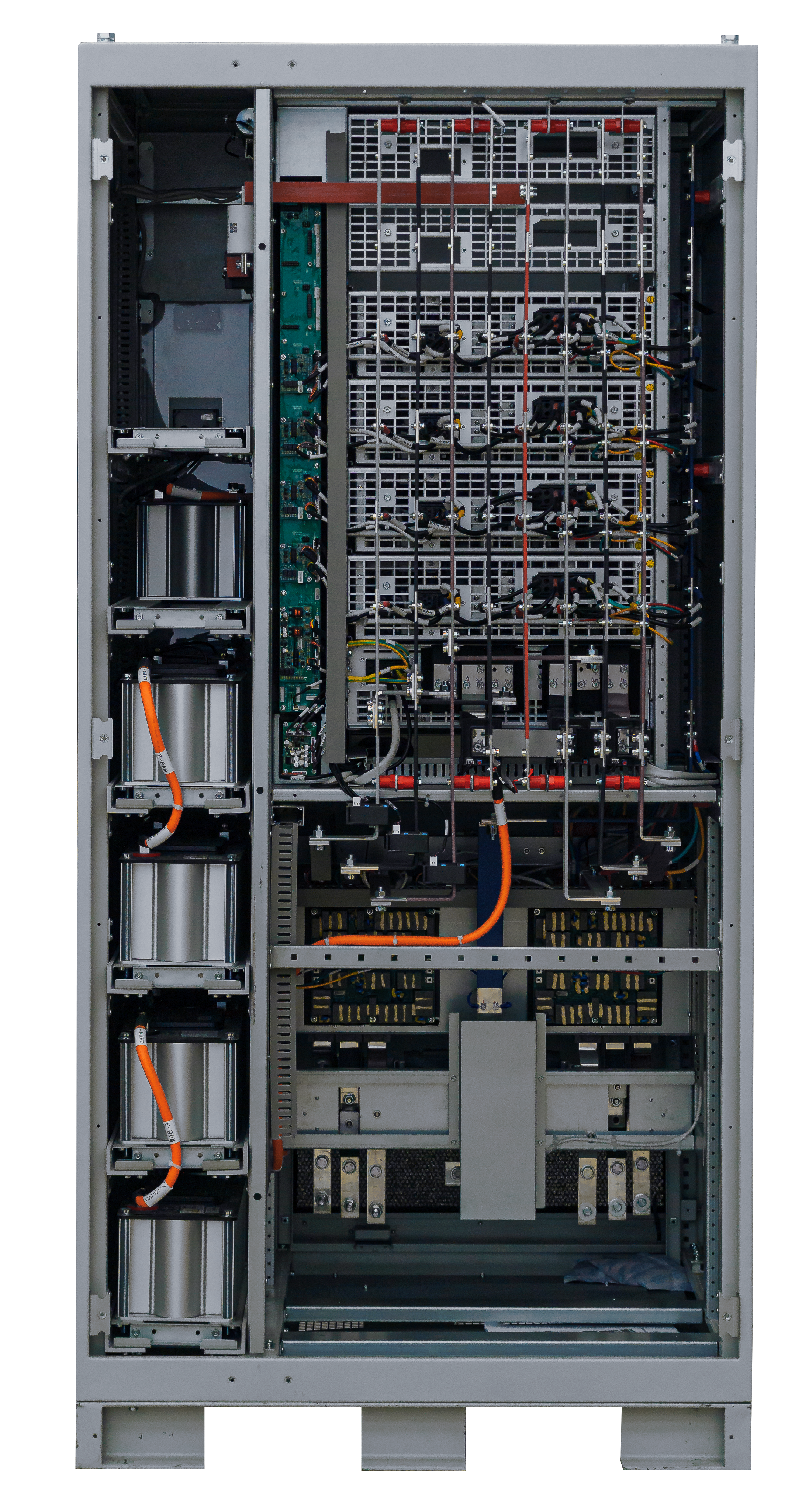
EDLC supercapacitor technology represents an advanced solution for voltage stabilisation in industrial systems. Thanks to their ability to store and release energy extremely rapidly, supercapacitors guarantee a virtually instantaneous response to grid events, making them particularly effective in managing micro-interruptions and voltage dips. Unlike traditional UPS systems, the system operates continuously in standby mode with extremely short response times and a lifespan of up to approximately 1 million operating cycles.
-

Low maintenance and long-lasting
The PQ-GUARD system, equipped with sophisticated electronics and EDLC supercapacitors, does not require the maintenance typically associated with lithium or lead-acid UPS systems, and its components maintain high performance even across a wide range of temperatures. Furthermore, operating only when actually needed reduces stress on components and energy consumption, enabling the system to achieve an extremely long service life.
-

Low sensitivity to temperature fluctuations
As the storage technology involves no chemical reactions the PQ-GUARD system operates within a wider temperature range than conventional UPS systems, making it particularly suitable even for the most challenging installations.
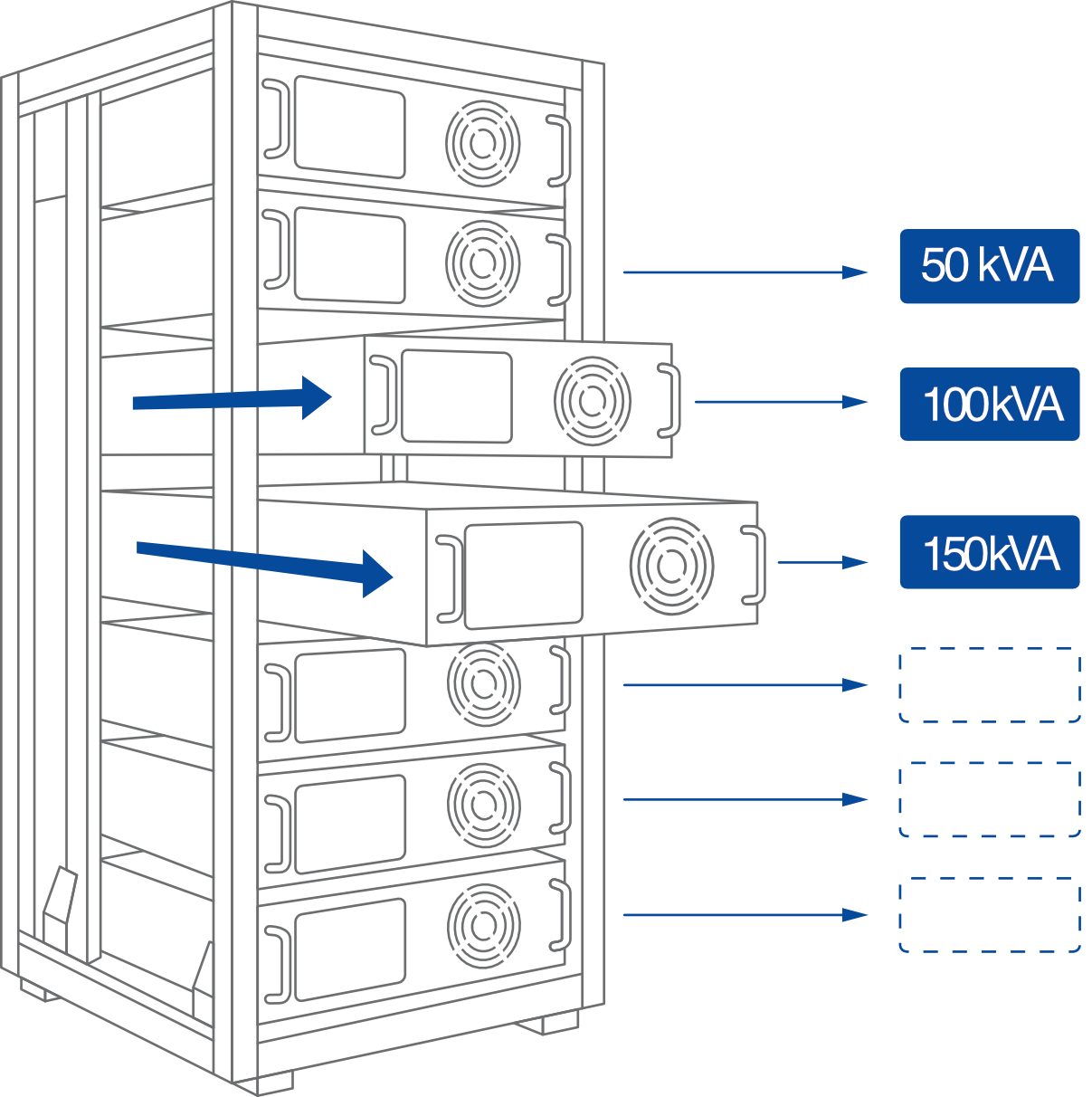
Scalable architecture: The system grows with the facility
Expansion of removable modules
- There is no need to replace the entire PQ-GUARD device for an upgrade
- 50 kVA modular design
- (except for the PQ-GUARD 50 kVA and 100 kVA models)
- 200 kVA PQ-GUARD, expandable up to 300 kVA
- 450 kVA PQ-GUARD, expandable up to 600 kVA
- 750 kVA PQ-GUARD, expandable up to 1200 kVA
Primary application sectors
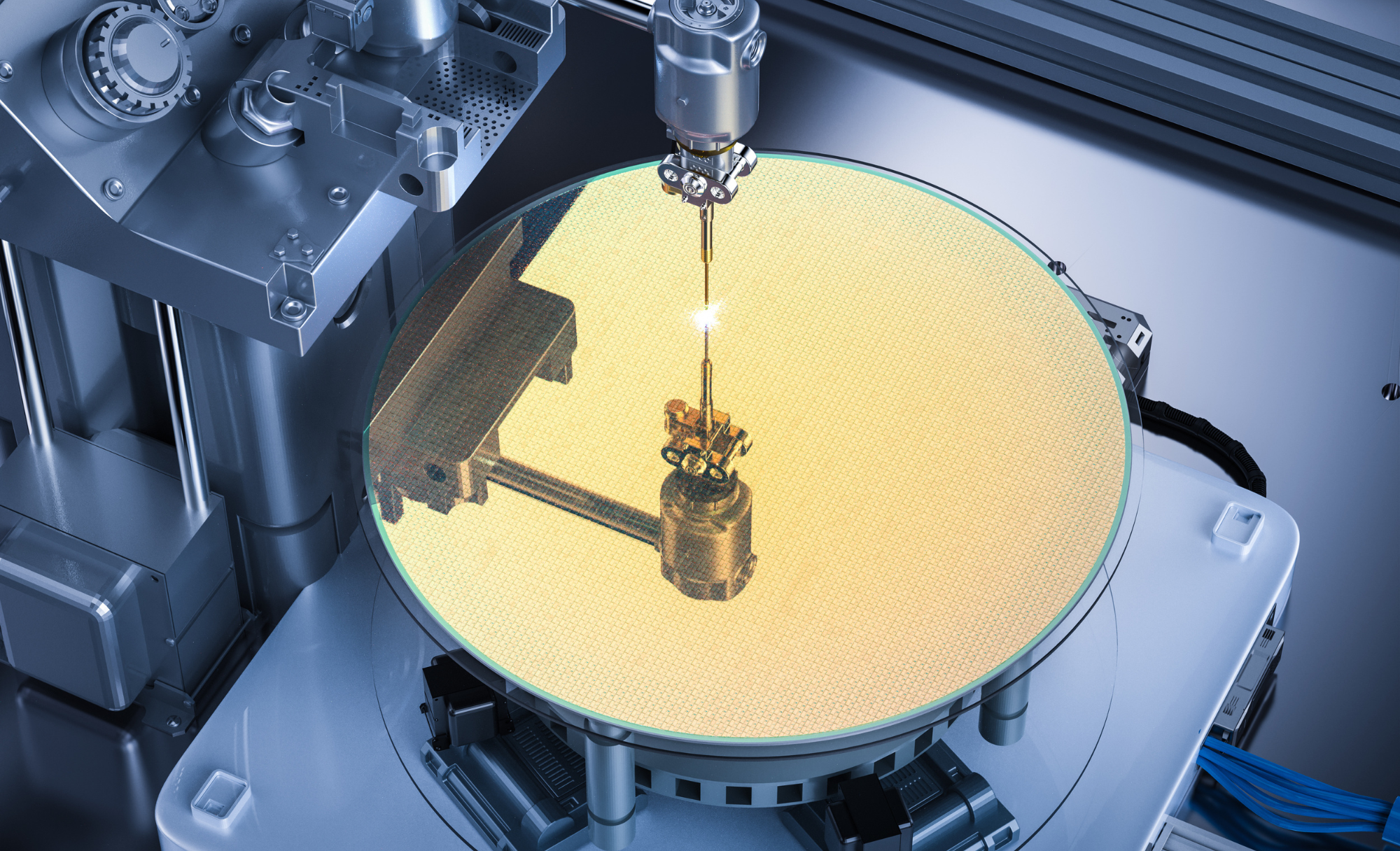
Semiconductors & Microelectronics
Even very brief voltage disturbances can interrupt lithography, deposition, etching or testing. This results in discarded wafers and batches, loss of yield and the need for re-qualification. Restarting cleanrooms and critical equipment can take many hours.
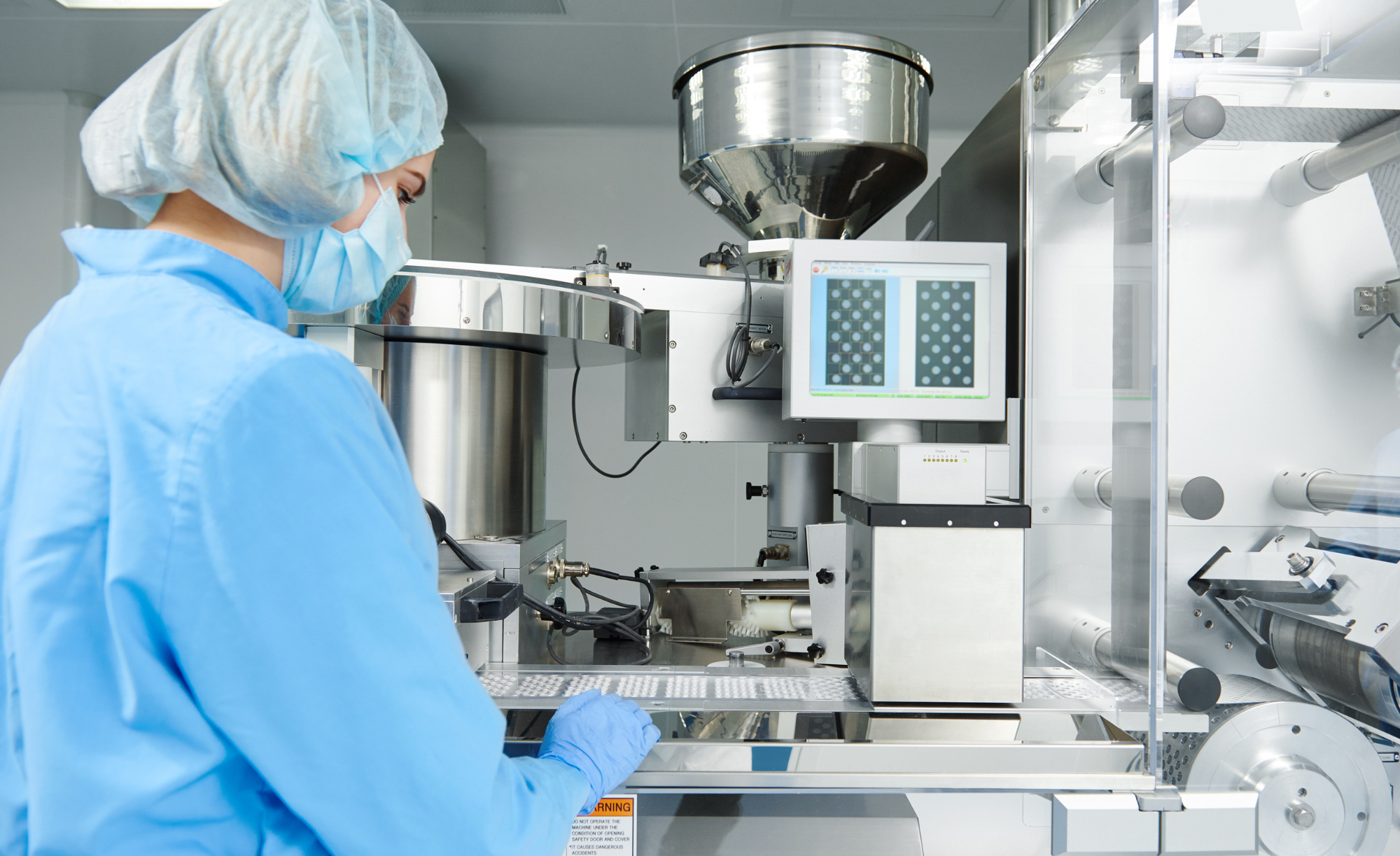
Pharmaceutical and Chemical
Shutdowns of reactors, dosing systems, mixing units, air handling units or sterile lines disrupt the process. The batch may be rejected or require further testing, with a risk of contamination. Cleaning, validation and restarting prolong the downtime and delay deliveries.
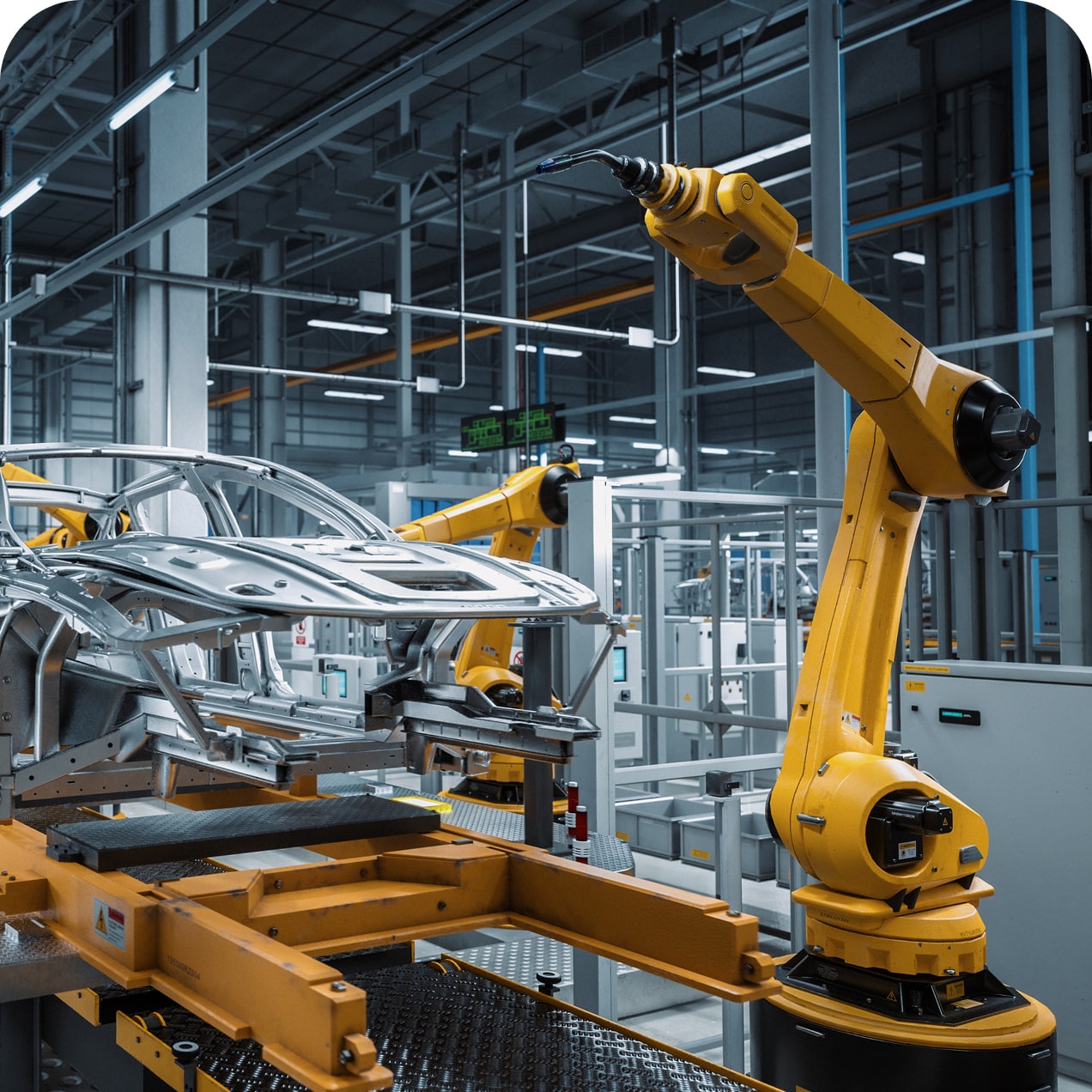
Automotive
A disruption can halt robots, welding, painting and assembly. The downtime leads to a loss of synchronisation, scrap, rework and build-up on the production line. Restarting requires checks and may also cause stoppages in departments not directly involved in the initial process interruption.
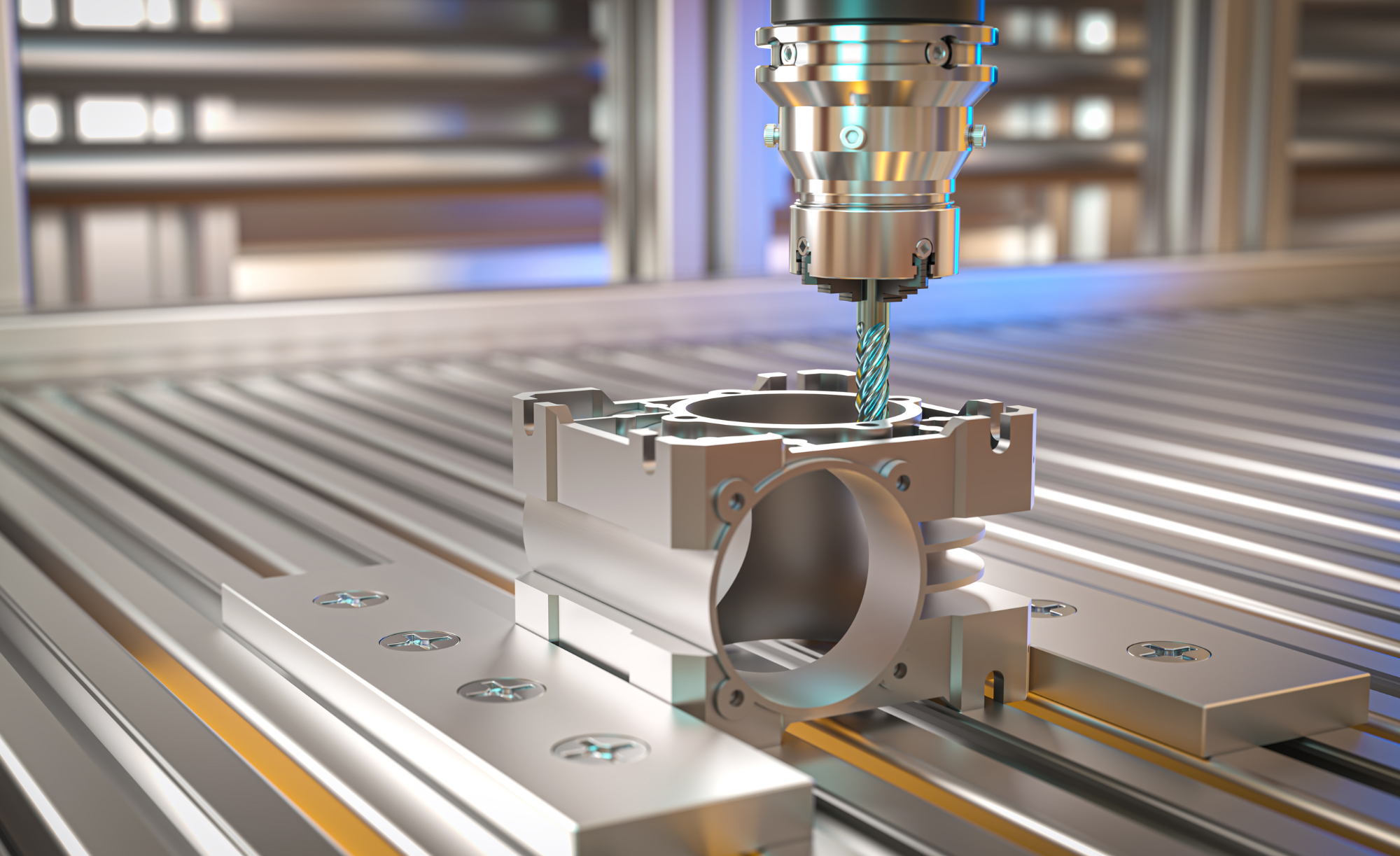
Metalworking
CNC machines, machining centres and automated systems may shut down during the cycle. Voltage disturbances can damage circuit boards, IGBTs, power supplies, sensors and encoders. The workpiece may be rejected, and programmes and tool integrity may need to be rechecked. Restarting creates unproductive downtime and delays order fulfilment.
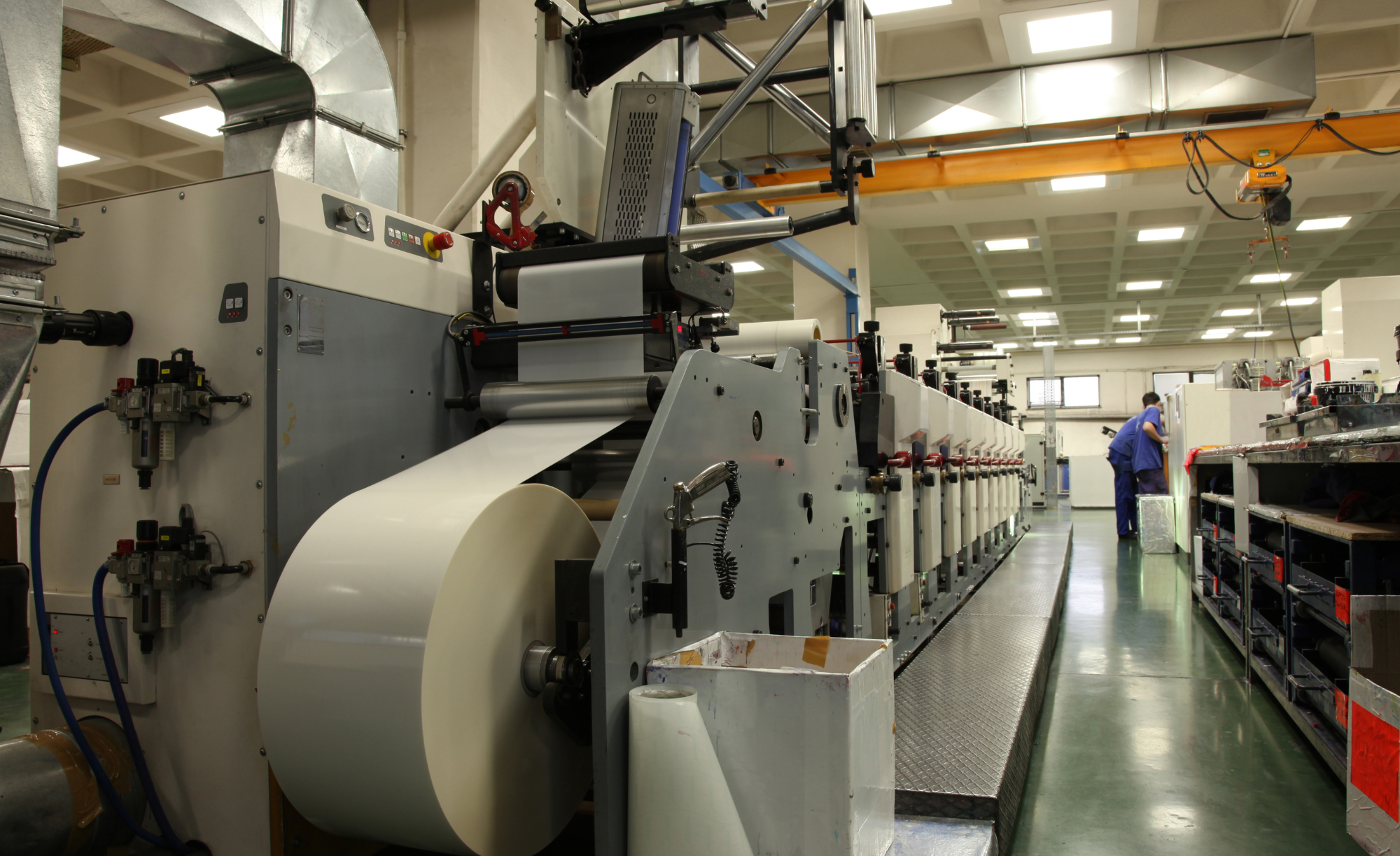
Paper and Printing
A stoppage of paper machines, cutters, rotary presses or printing lines can cause web breaks. This results in waste, loss of register and printing or finishing defects. Cleaning, rewinding and realignment make restarting slow and costly.

Food and Beverages
Shutdowns during cooking, filling or packaging interrupt the production flow. The product may spoil or fail to meet quality standards, leading to waste and the need for sanitisation. Restarting requires hygiene checks and can compromise traceability and deliveries.
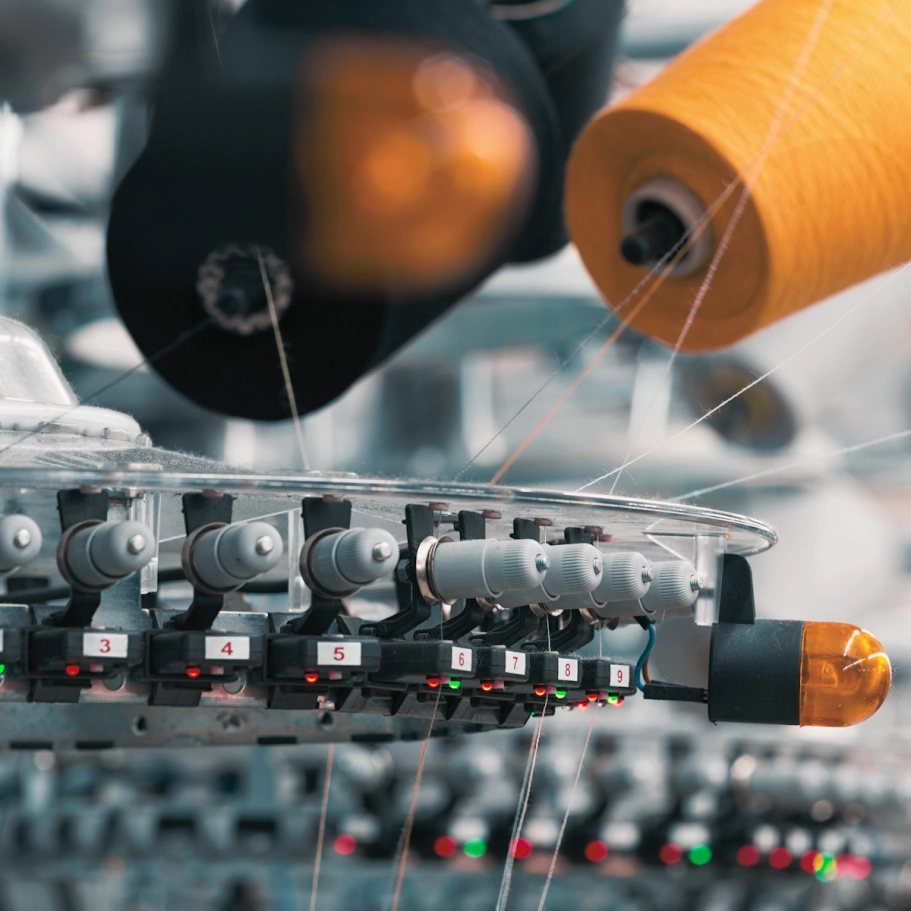
Textiles
A stoppage in looms, spinning machines, dyeing or finishing disrupts synchronised processes. This results in broken threads, defects, colour variations and material that must be discarded. Re-synchronising the machines delays the return to full production.

Plastic and Rubber
A stoppage of presses, extruders, calenders or vulcanisation equipment alters temperature and pressure. Machinery becomes increasingly vulnerable as it incorporates inverters, servo drives, PLCs and HMIs. The material may degrade, solidify or produce out-of-specification parts. Restarting requires cleaning, start-up waste and stabilisation times.
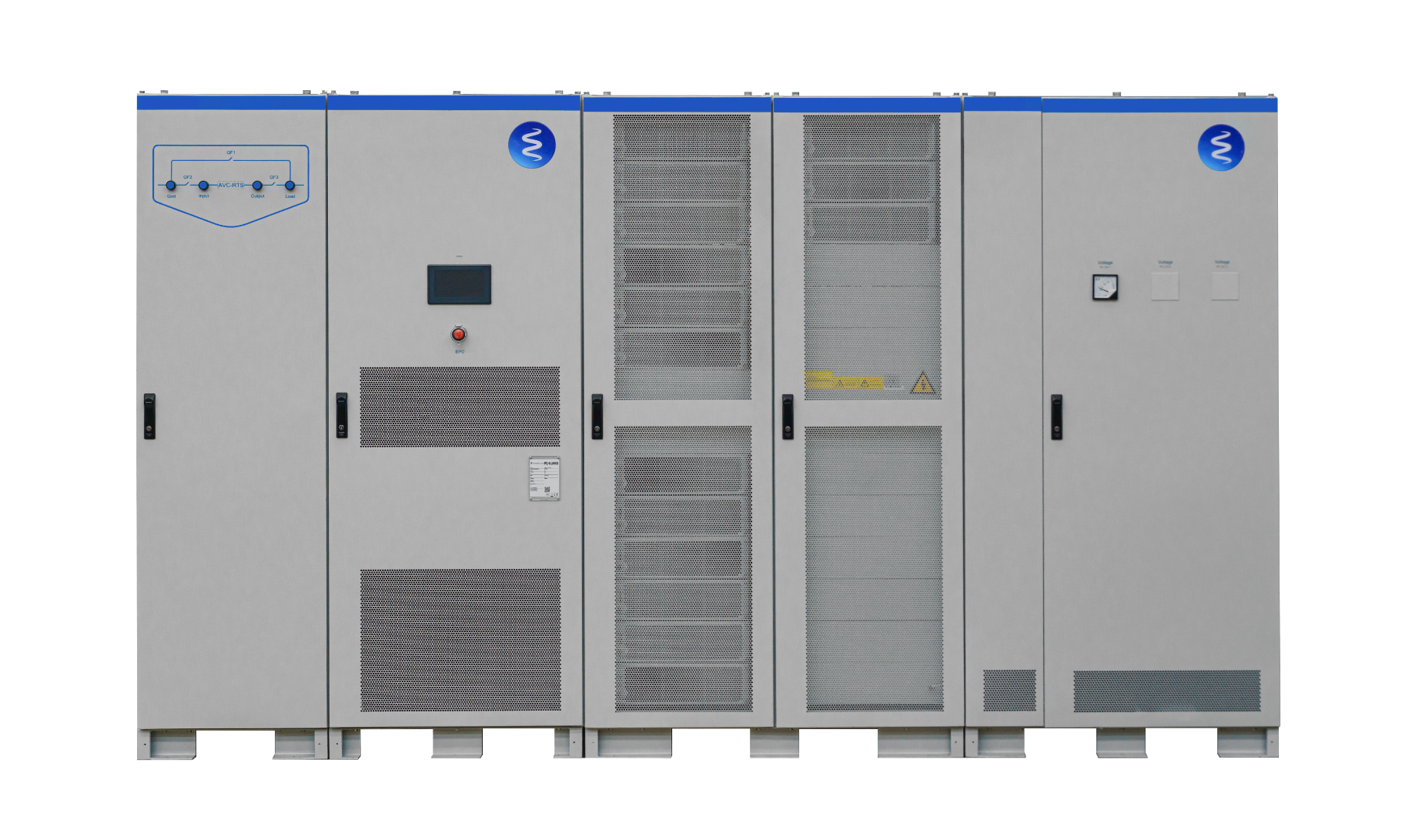
The supercapacitor technology behind PQ-GUARD: how it works
PQ-GUARD is an active voltage conditioner (AVC) that essentially in the grid power supply in real time. If a sudden voltage dip occurs, instantly injects the missing energy , filling the gap before the system even notices. Thanks to supercapacitor technology, PQ-GUARD operates in Eco Mode like a silent shield, intervening only when necessary to protect the system from voltage dips or surges with 99% energy efficiency. An EDLC supercapacitor is structurally composed of two porous electrodes with a very high specific surface area immersed in an electrolyte. Charging does not trigger chemical reactions: the electrolyte ions are physically adsorbed onto the surface of the electrodes, storing energy through the electric double layer. The process is primarily physical, highly reversible, and does not involve deep chemical reactions as occurs in batteries.